
An interesting question I’ve gotten several times: “Is there anything I should read before I go to seminary to get a jump-start on it?” Several of those questions have come from people who read my 10 tips for new seminary students. Read those here.
If you’re planning to go to seminary, I think the list below will give you a good head start. If you’d just like an introduction to different areas of theological study, I think these are a great place to start, too.
First, if you’re actually enrolled, you might find it more helpful to start looking at syllabi and e-mailing professors where you’re going. Read what they’re having students read. It will be a big help to do it in advance.
If you work off this list, I might recommend picking one book from each section, based on your greatest needs or interests. Or read them all. It looks like a lot, but this probably would make up less than one semester’s worth of seminary reading.
Skills and Prep
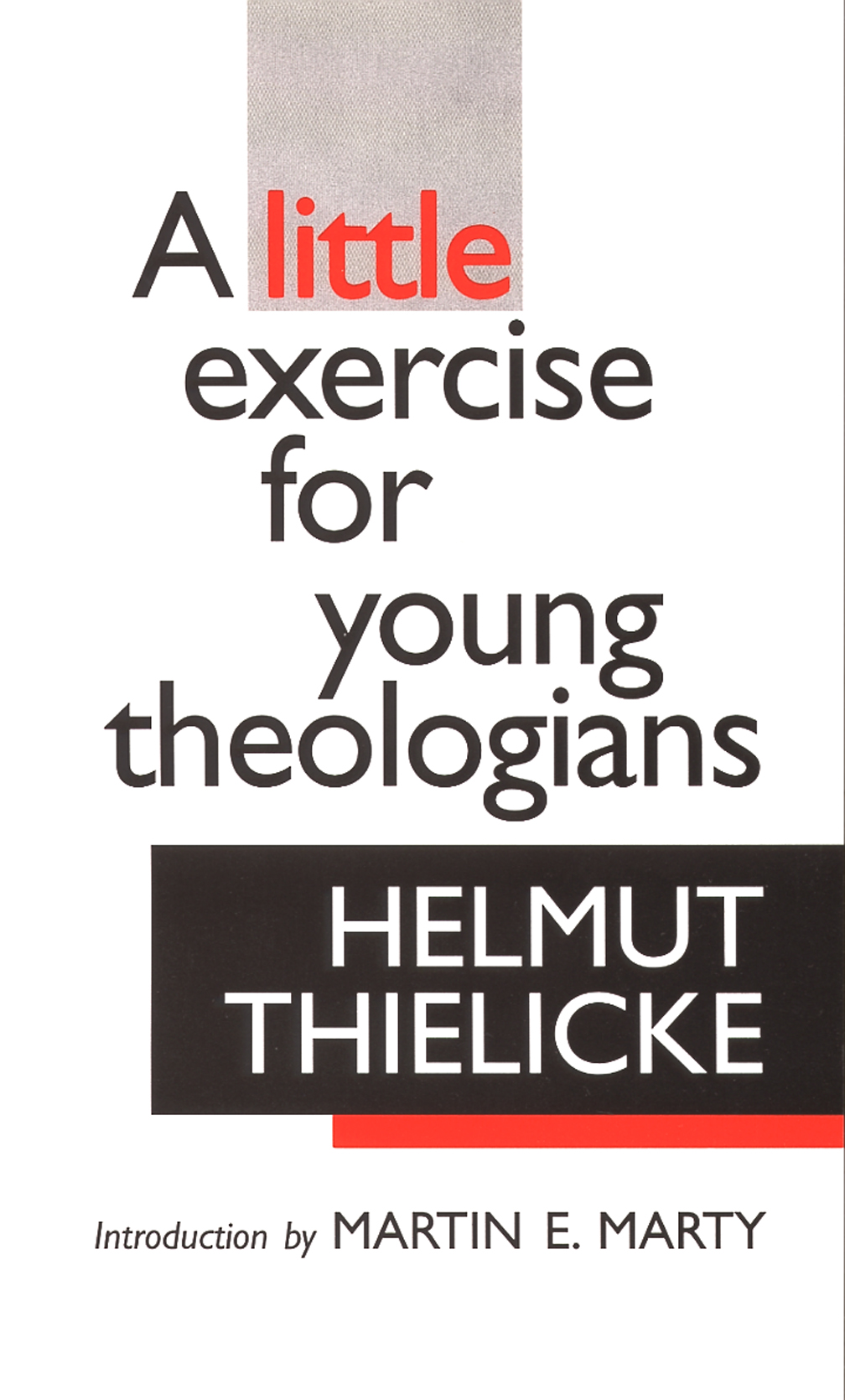 In my opinion, the place you really must start is A Little Exercise for Young Theologians by Helmut Thielicke. He’ll save you some embarrassment and get your mind set appropriately as you begin some serious theological study. Not bad for a book you could probably read over a lunch break.
 Another book to help prepare you to think theologically is called… How to Think Theologically by Howard Stone and James Duke. This is the only listed book I haven’t read, but it comes highly recommended from my friend Jonathan, whose recommendations never disappoint.
These next two have nothing to do with theology. But you’re going to read and write a lot. The better equipped you are to read and write, the better equipped you are for seminary.
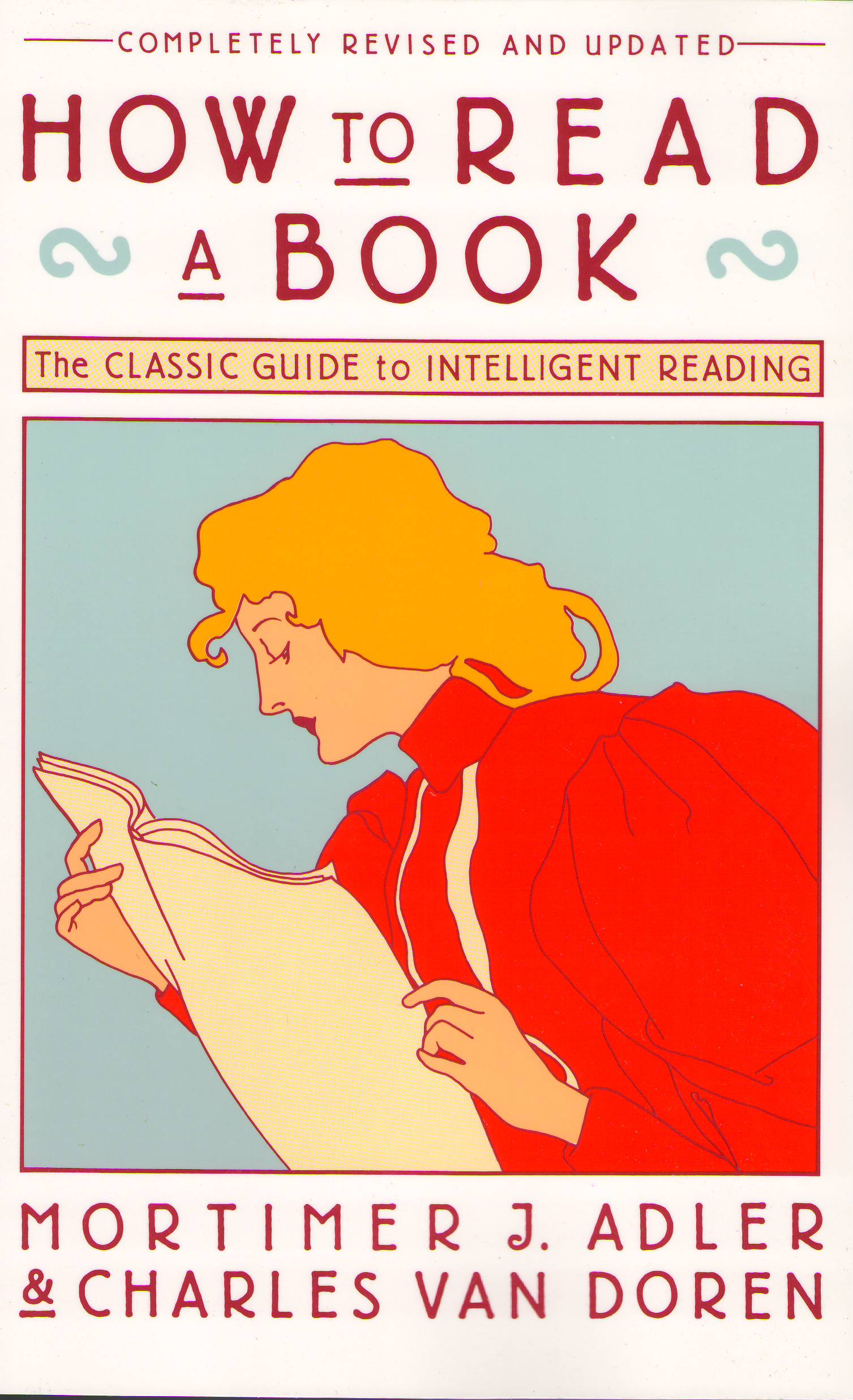 How to Read a Book by Mortimer Adler is the classic book on how to read books. And for good reason. Would you call yourself a great analytical reader? If not, you should pick this up.
 Similarly, The Elements of Style is the classic on how to write. This little book will help you avoid embarrassing grammatical mistakes and get you to see words and sentences in a different way. It’s sure to improve your writing if you pay even a little attention as you read. And for a bonus, On Writing Well by William Zinsser should be helpful to anyone looking for more.
History and Theology
The majority of incoming seminarians I meet are least versed in history and theological method. Several already have proven to be avid students of Scripture, but Christian history is foreign – and uninteresting – to most of them. That was my own experience, but I grew to love historical theology. Actually, I think historical theology helped me grow to love and understand the Bible in deeper ways than a lot of my biblical studies focus did.
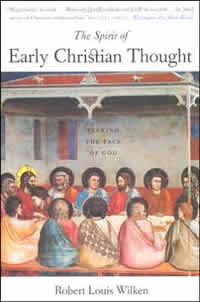 I think Robert Wilken may give you the best introduction to this in The Spirit of Early Christian Thought. This was the book that began to introduce me to the riches of historical theology. I hope it will do the same for you.
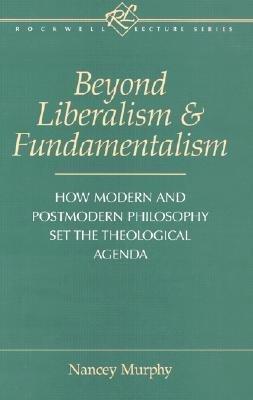 By the time I had gotten to seminary, I had heard all sorts of things about modernism and postmodernism and how they affect ministry and theology. Most of it was wrong, and the rest was superficial. The best real introduction I got came from Nancey Murphy’s Beyond Liberalism and Fundamentalism. And then from James K. A. Smith’s Who’s Afraid of Postmodernism. If I only had time for one, I’d choose Murphy.
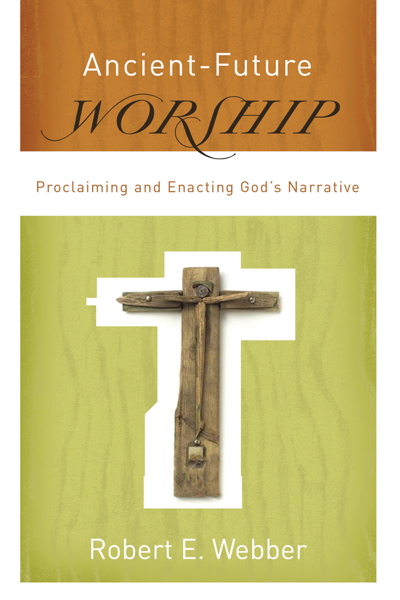 Robert Webber’s Ancient-Future Worship will give you a flavor for early Christian thought and postmodern thought all wrapped together as he discusses worship. I think he’ll help you understand worship more deeply — and in turn help you actually worship more deeply. His chapter on the Word is likely to transform how you understand reading and preaching the Bible. I wish I had discovered Webber earlier.
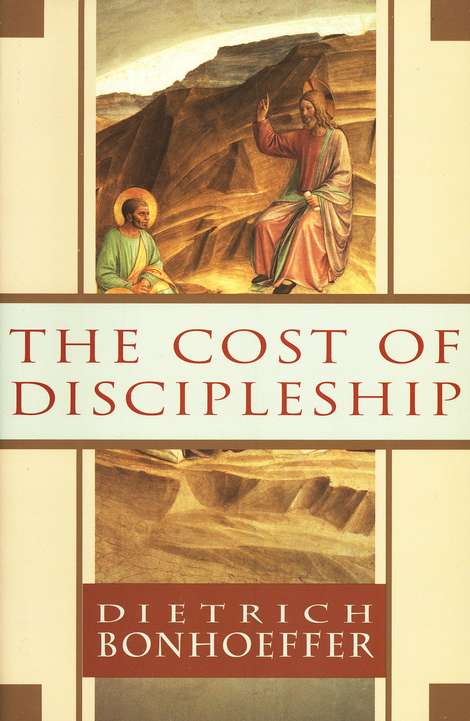 I’d also recommend Orthodoxy by G. K. Chesterton and The Cost of Discipleship by Dietrich Bonhoeffer (get the Bonhoeffer version that’s linked). You aren’t likely to see these in your intro to theology or philosophy or ethics courses, but I think they provide just that: an introduction into Christian philosophy (Chesterton) and ethics (Bonhoeffer) that is rich and profound, yet not textbook-like. Both are modern classics, too. And if Chesterton seems weird to you, give him some time…
Books About Your Faith Tradition
One of the most enriching things I’ve done was to learn more about the history of my own faith tradition. As you do theological study, it will help you to know why your tradition is the way it is.
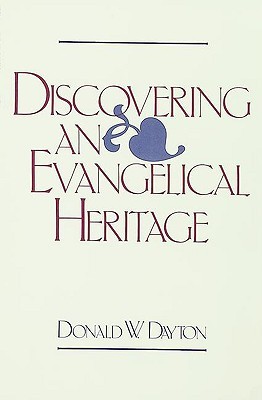 If you’re part of any tradition that might toss around the term “evangelical,” I highly recommend Donald Dayton’s Discovering an Evangelical Heritage. He helped me see much deeper roots and beliefs to this heritage than I had previously known.
Biographies of great ministers and theologians have been one of the best ways for me to learn more about faith traditions. Grab a biography about someone in your tradition. Some suggestions:
- Here I Stand: A Life of Martin Luther by Roland Bainton
- Calvin: Origins and Development of His Religious Thought by François Wendel
- John Wesley: A Theological Journey by Kenneth Collins
- Jonathan Edwards: A Life by George Marsden
- Karl Barth by John Webster
Biblical Study
For books on biblical study, see my post “Library Suggestions for Leaders — Bible.” All of those are good. For your purposes, I’d especially recommend The Drama of Scripture to give you a broad overview of the biblical narrative, Eat This Book to teach you how to read the Bible well, and Bible Study That Works
Spiritual Formation
Finally, it would be good for you to be thinking about spiritual formation before you head off to seminary. I’ve seen a number of people decline in their spiritual formation while there because they were so focused on study.
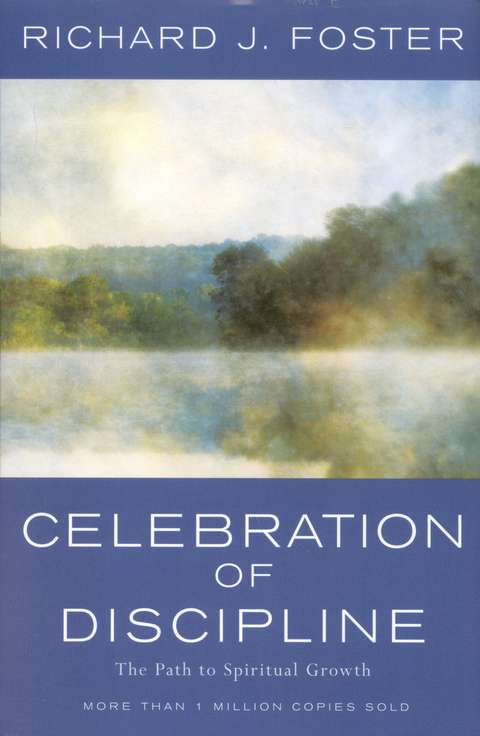 Richard Foster’s classic, Celebration of Discipline, will equip you to keep some important disciplines. A. W. Tozer will challenge you to abandon comfortable Christianity in The Pursuit of God.
I hope these give you a good head-start. From other past and current students, I’d love to hear any of your additions. And I’d be happy to answer any other questions you might have.
I write a lot that should be relevant to seminary students. To get more, would you click here to JOIN my e-mail update list?
Some Related Posts
All Amazon links are affiliate links. Feel free to buy wheresoever you please.

 teddy ray