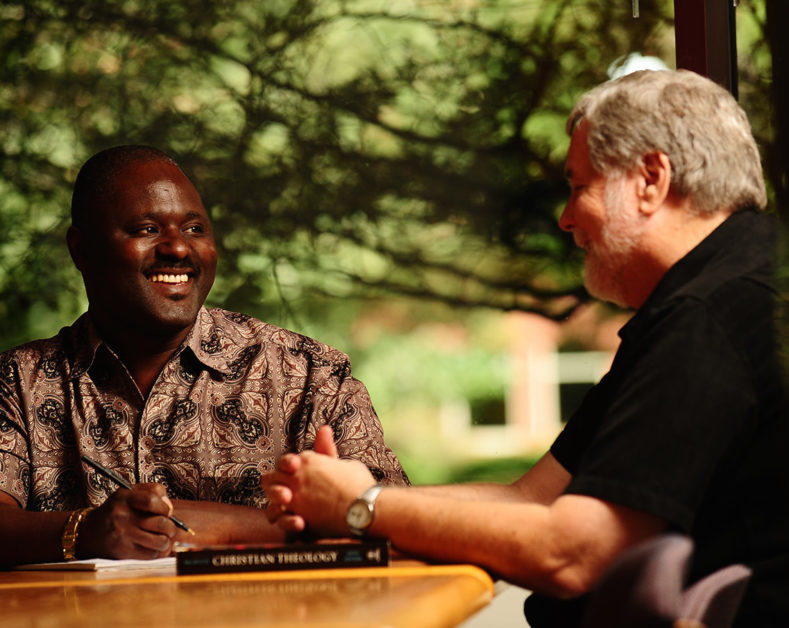
Who’s your pastor?

pastor2

Several years ago, I received an email from a friend that included this:

I am applying for a  ________  position. May I put you down as a minister reference? I still don’t know any ministers at  ________  who could give me one since the church is so big.

A part of my reply:

I’ll be happy to be a reference. What a perfect position for you! I’ll say lots of good things.

I hope this isn’t overstepping, but I wanted to say this also… I hope you don’t need me for a minister reference in the future. You are so gifted and also have so many places where you could grow if a pastor were investing in you. It’s upsetting to me to know that you’re in a place where you’re not known. To me, that means you’re being under-utilized and under-challenged.

If you just need to take initiative, I hope you’ll do that to find someone at _______ that you can call your pastor. If that’s not a possibility there, I hope you’ll find a place where it is. You have too many gifts and too much space to grow to be without a pastor.

What this is not about:

1) Church size – You can find several large churches that do a great job of connecting pastors to individuals. You can find several small churches that don’t. On the whole, it’s easier to remain anonymous at a large church. You’ll need to take more initiative and so will the church. But size isn’t the only factor here.

2) A paycheck – When I ask who your pastor is, I’m not concerned about a paycheck. That is, your pastor doesn’t have to be on staff at the church. They may be a banker or nurse. But they’re a part of your local church community and they’re your pastor.

What this is about:

1) Pastoral discernment – Who is the person in your life that can see the forest when you have your face pressed up against a tree? The person with spiritual discernment?

Note: This isn’t just for beginners. The person most mature in her faith still needs a pastor, just like Roger Federer still needs a coach.

2) Pastoral authority – That’s an ugly term in our independent society. But it’s needed. We love ourselves too much. If we want to make hard choices, we need to give someone the authority to suggest and prescribe them. On our own, we choose our own (easier) way.

Who has the authority to ask you uncomfortable questions and give you uncomfortable prescriptions?

3) Soul care – A pastor cares for your soul. (S)he works with you toward healing, wholeness, and hope in places of brokenness. She guides you in reestablishing broken relationships. When restoration is impossible or unlikely, she helps you sustain. She directs you toward growth and wise choices.

In a time of crisis, who is the pastor that will care for your soul? In the places where you need guidance or encouragement, or even a loving rebuke, who can offer it?

4) Someone in your local congregation – You may list several pastors. They may be scattered all over the place. That’s great! But you need to have a pastor to you in your local congregation. Each local congregation is a unique little body of Christ. It’s not just a venue to sing some songs and hear a sermon. You’re going through something special together as a community. You need a pastor within that community.

When you come to some of those most special occasions –– a wedding, a funeral, a baptism –– who will be there with you? Is it someone who knows you?

Who’s your pastor?

On Saturday, I attended a memorial service for David Sparks. It was packed with people who had called David their pastor. These people’s lives are different today because of the ways that David invested in them. He encouraged people to use their gifts and do more than they had done before. He was there for them when they had a crisis or failed or screwed up.

Who’s investing in you like that?

I’ve been formed a lot by several people who couldn’t pick me out of a lineup (e.g. Rob Bell) or who died long before I was born (e.g. John Wesley and Augustine). These have been important teachers for me, and I appreciate them for that.But they weren’t my pastors. They haven’t known me, been there when I needed someone most, or sat across a table to say something I needed to hear. They haven’t been able to share a personal word of challenge or encouragement.

So I’m thankful for the people who have taken the time to know me and invest in me. I’m not where I am today without the pastors in my life:

  • David Sparks calling, texting, and meeting with me to give words of encouragement.
  • Jerry Ernst teaching me to be a Christian leader.
  • Aaron Mansfield not letting me off easy.
  • Derek Robinette encouraging often and rebuking when necessary.
  • Paul Brunstetter believing in me before I believed in myself.
  • Todd Nelson offering words of wisdom and companionship.
  • Mike Powers giving me space to discern calling.
  • Paul and Sylvia Cummings teaching me to pray.

That’s far from an exhaustive list. To those many pastors in my life not listed above, thank you…
Three things I believe in [Pastoral Letters]

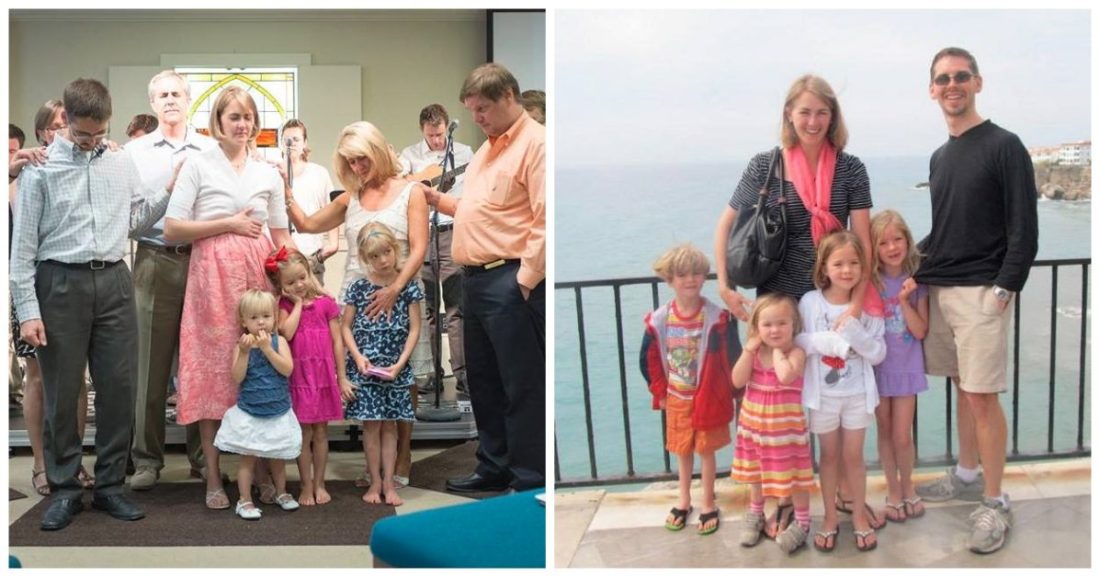
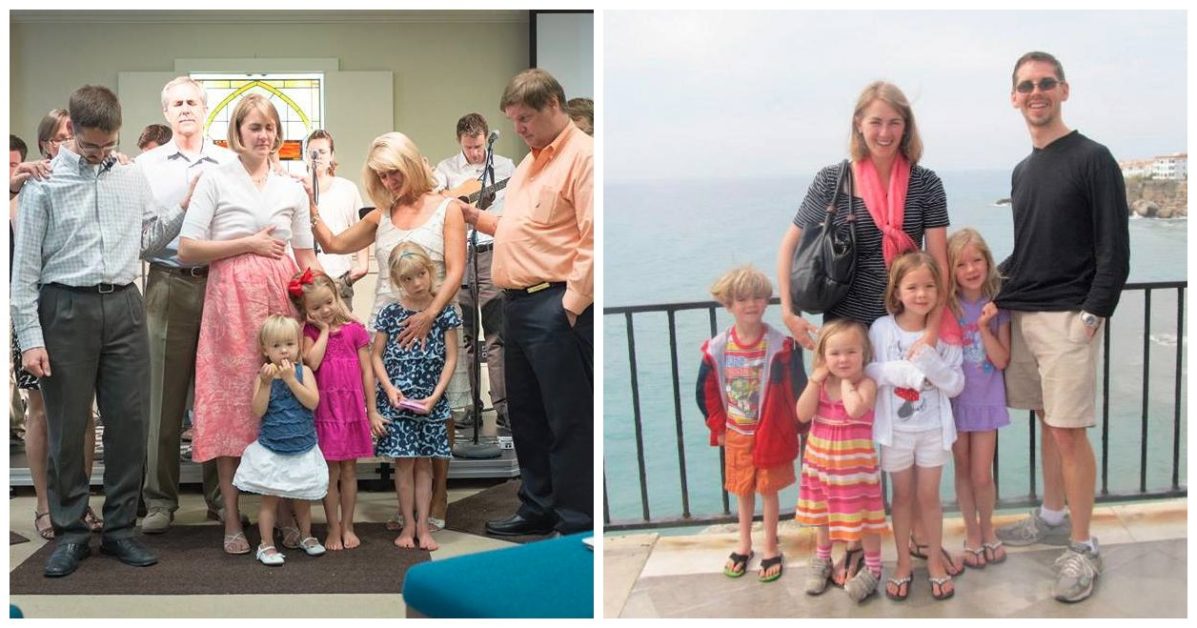
Left: Our family being commissioned by the Offerings Community before coming to Spain. Right: 10 months later in Spain.
Left: Our family being commissioned by the Offerings Community before coming to Spain.
Right: 10 months later in Spain.

In July, I’ll be returning from a sabbatical year to be the lead pastor of the Offerings Community at First UMC in Lexington, KY. I’m sharing some pastoral letters with them in advance of that return. I wanted to share them with you. Though some notes here are specific to that congregation, the letters are a broad attempt to share a pastoral theology.

Three beliefs motivate everything I do in ministry… 

The Gospel

I believe God’s grace is our only hope. I believe God so loved the world that he gave his one and only Son––Jesus Christ, God in the flesh––that whoever believes in him shall not perish but have eternal life.[1. John 3:16] I believe Christ has died, Christ is risen, and Christ will come again. 

I believe in the gospel because it’s “the power of God that brings salvation to everyone who believes.”[1. Romans 1:16] By the grace of God, we’re forgiven for our past sins, given power over present sin, healed from our brokenness, and collectively made into the body of Christ in the world.

I believe all this because I’ve experienced it. God’s grace has transformed my life. Despite my own insecurities, I have a great assurance of God’s love. Despite my own past sins, I have a great assurance of God’s forgiveness. Despite my own doubts, I’ve seen God answer prayers.

I believe all this because I’ve seen it in so many of you. One of the greatest privileges of pastoral ministry is the front-seat I’ve had to the transformation in some of your lives. I’ve seen some of you receive forgiveness and know it was real after you had thought you’d never get past the guilt of something in your past. I’ve seen some of you freed from sins you thought would keep you enslaved the rest of your lives. And I’ve seen some of you become great ministers––hands and feet of Christ to others––when before you could barely keep yourselves together. What a privilege to see the gospel at work in you!

The apostle Paul wrote, “If Christ has not been raised, our preaching is useless and so is your faith.”[1. 1 Corinthians 15:14] I agree with him. If the good news about Christ’s death and resurrection isn’t true, and if the grace God offers through Christ isn’t transforming us, we’re all wasting our time.

The Church

I hear a lot of people today criticize the church. They call it irrelevant and unnecessary. They say they can be “spiritual” without “institutional religion.” They say they can be “Christian” without having to “go to church.” 

First, full disclosure: I’ve seen a lot of ugly things about this institution we call the church. I can’t disagree with a lot of the criticisms I’ve heard. Yet I believe in the church.

I believe in the church because the Bible tells us “Christ loved the church and gave himself up for her.”[1. Ephesians 5:25] I believe in the church because it’s called the body of Christ––“the fullness of him who fills everything in every way.”[1. Ephesians 1:23] How humbling that such a flawed and wayward community would still be the community that Christ loved and gave himself up for, the community that would be called the very body of Christ!

Despite our many problems and all the ways we fall short, I believe God still uses the church. I believe the church is still God’s primary means of offering his grace in the world––the fullness of Christ in the world.

Specifically, I believe in First UMC of Lexington. I love our emphasis on making disciples “across the street and around the world.” I love the way we’re trying to start new worshiping communities in new places so that we can reach new people. I believe in First UMC because I’ve experienced what this church can do. This is my home church, and for over 30 years, they’ve surrounded me with a community of love and forgiveness, supported and encouraged me, and helped me grow into the person I am today. Is First UMC perfect? Far from it! But I believe God loves this church and is using us to proclaim and live the gospel. In our failings, I trust that God is at work to transform us into a church that looks more like her Savior.

Even more specifically, I believe in this Offerings Community. I love our emphasis on spreading scriptural holiness, our focus on making disciples who become pastors and apostles, our desire to start more communities in the future. I believe in this little community because you’ve surrounded me and my family with a community of love and forgiveness. We know God’s love better because of you. Is the Offerings Community perfect? Far from it! But I believe God loves this community and is using it in powerful ways. In our failings, I trust that God is at work to transform us into a community that’s the body of Christ for our world.

You

I believe each of you is an essential member of the body of Christ. I believe God has given each of you special gifts––gifts that we need to minister to each other and to our world. I believe in you.

At a time when so much of ministry is “professionalized”––left to the church staff––I love the way this community values shared ministry. If you’ve been around for long, you’ve already seen the priceless contribution that so many people bring to this community. And I think we’re still only scratching the surface.

I believe great things are ahead for us, and that God will use you to do those things. Some of you have a great gift of faith, and we’ll be sustained by your prayers. Some of you have the gift of evangelism, and we’ll share the gospel with new people because of you. Some of you have a special gift for generosity, and your giving will sustain our budget. Some of you have special gifts for spiritual encouragement, and you’ll be pastors to others. Some of you don’t even realize that you have those gifts yet, but you will.

What’s the hope for our world? The gospel. 

How is our world most likely to see and hear and receive the gospel? Through the church and through you. 

Those beliefs motivate everything about ministry for me.

—————

A third way in the church’s ethics debates

Our world seems to have lost the ability to understand nuance. Rather than finding a balance between two important points, we tend to pick one side and try to pummel the other into submission. Watch the debates about any political issue, and you’ll quickly see how much both sides ignore each other while they talk shout past each other.

Sadly, we see much of the same in the church today. The same issues keep coming up, and the same points keep getting made, but all to little effect. I’d like to suggest that we can divide the church in most of today’s ethical debates with one simple line. I’ll call it the grace-and-truth line.

The Grace-and-Truth Line

Our grace-and-truth line is causing all sorts of silly fractures in the church. One side talks a lot about living like Jesus, the other talks a lot about believing the Bible. One side focuses on God’s love, the other on God’s holiness and justice.

Grace people fear legalists and Pharisees who force people to live by their own artificial rules. Truth people fear universalists and antinomians who disregard God’s moral law.

In ethics debates, the grace people usually are optimistic about humanity. They receive everyone as good people, acceptable as they are––everyone except, perhaps, the truth people. The truth people usually are pessimistic about humanity. They generally seem to view everyone as sinners in need of reform––everyone except, perhaps, themselves.*

You may find my black-and-white depictions unfair—guilty of the very thing I’ve said is our problem. Many people operate somewhere toward the center of these. Actually, we all suppose that we are right at the center of any tension like this, striking the perfect balance. But even for those who aren’t fully black or white in the balance, it’s worth asking ourselves if we’re over-representing one side and neglecting the other.

How Tony Campolo tries to navigate grace and truth

Tony Campolo tells a moving and heart-breaking story about his conversation with a mother whose gay son committed suicide. He makes a strong point. The phrase “hate the sin, love the sinner” has been abused to condemn people’s actions from a distance. But while it’s easy to lob stones at sin from afar, it’s difficult to love people from that distance. As a result, many Christians’ hatred of sin has prevented them from coming near enough to “love the sinner.” Remove that, and the phrase simply becomes “hate the sin.” In fact, it begins to appear like, “hate the sin, hate the sinner.” All truth, no grace.

Campolo says that we should love the sinner and hate our own sin. Whenever we have gotten rid of the sin in our own life, then we can begin talking about the sin in our brother’s or sister’s life. Though he doesn’t say it, I get the impression that Campolo really means to say that we’ll always have our own sin to deal with first, so we should never talk about someone else’s.

Campolo’s motto is about grace for others, truth for ourselves. That’s not a bad corrective for those of us who are quick to give ourselves grace (every mistake has a good excuse) and to apply truth to others (they’ve got to do better).

Is Campolo’s solution sufficient? I don’t believe so. In fact, I think “Love the sinner; hate your own sin” is no better than the original, nor is it more biblical. In some ways, it’s less. Let’s look at another option.

Maybe the problem is that we believe one line divides grace and truth. What if, instead, we could be full of both?

Full of grace and truth

John’s gospel introduces Jesus by saying that he came to the world “full of grace and truth” (John 1:14). Jesus offers grace to a woman whom the people are ready to condemn: “Let any one of you who is without sin be the first to throw a stone at her.” Then he offers truth to her as a woman who needs to repent: “Go now and leave your life of sin” (John 8:2-11).

Jesus acquits the woman from the people’s condemnation, then condemns her actions and tells her to change. Could he have neglected either and been more loving? Or do we find his perfect love only at the intersection of full grace and full truth?

The problem with the truth-teller isn’t that he chastises people about their sin, but that he often doesn’t love those he chastises. His offer of grace is insincere, or lacking entirely. He suggests that he might give grace and hospitality once a person will accept the truth, but surely not before.

The problem with the grace-bearer is that, wishing to defend the sacred worth of the person, she’ll often defend his indefensible actions, as well.* Endorsing another person’s wickedness and self-destruction is surely one of the most hateful things humanity has ever tried to pass off as love.

On loving people and hating sin 

No, Jesus never said, “Love the sinner, hate the sin.” But he did say, “there is rejoicing in the presence of the angels of God over one sinner who repents” (Luke 15:10). And James wrote, “Whoever turns a sinner from the error of their way will save them from death and cover over a multitude of sins” (James 5:20).

I’d like to ask Tony Campolo how he expects us to ever turn a sinner from the error of his way if we’re never supposed to bring it up. I’d like to ask him why I shouldn’t hate anything that’s leading someone toward death.

A beloved friend of mine has cancer. I hate that cancer. I hate all cancer from a distance, but I particularly hate his cancer, because it’s trying to kill him. If I hated no one’s cancer but my own, what a selfish person I would be!

Even more, then, I hate sin. I hate all sin from a distance, but I particularly hate the sin of those I love, because it’s trying to kill them. I hate my own sin for the same reason. If we don’t hate our own sin, we’re fools, running toward destruction, even while we claim to be warning others away from it. But hating my own sin doesn’t prevent me from hating others’ sin as well.

The problem isn’t hatred of sin. The problem comes when our hatred of sin leads us to scorn sinners instead of embracing them. When we lack the grace to grieve for sinners, take compassion on them, and pray for them, we lack the love of Jesus.

Similarly, the problem with the other side isn’t love for sinners. The problem comes with our acceptance of their sinfulness. When we deny sinners the truth about their actions––that they need to seek treatment and healing––we lack the love of Jesus.

Can sinners who need to repent still be of sacred worth?

The problem for all of us is that we believe it’s impossible to tell someone she is of sacred worth and that her actions are sinful and require repentance. Over and over, I’ve watched Christian leaders claim that these two statements contradict each other, or at least create an ambiguity. We must choose––deny the sin or deny the sinner.

The miracle of God’s love is that he makes both claims at once. In our sinfulness––not after––we are of sacred worth. At the same time, God calls us out of our sinfulness into a repentant and righteous life before God. By his grace, he empowers us to repent and live holy lives.

Full of grace. Full of truth. Compromise on neither.

Is “full of grace and truth” our best way to approach ethics? Share your own thoughts in the comments or hit a share button below to ask for others’ opinions.

* In all my references to optimist and pessimist, I’m heavily indebted to G. K. Chesterton, whose language I’m barely modifying from pages 61-62 of Orthodoxy.