Three things I believe in [Pastoral Letters]

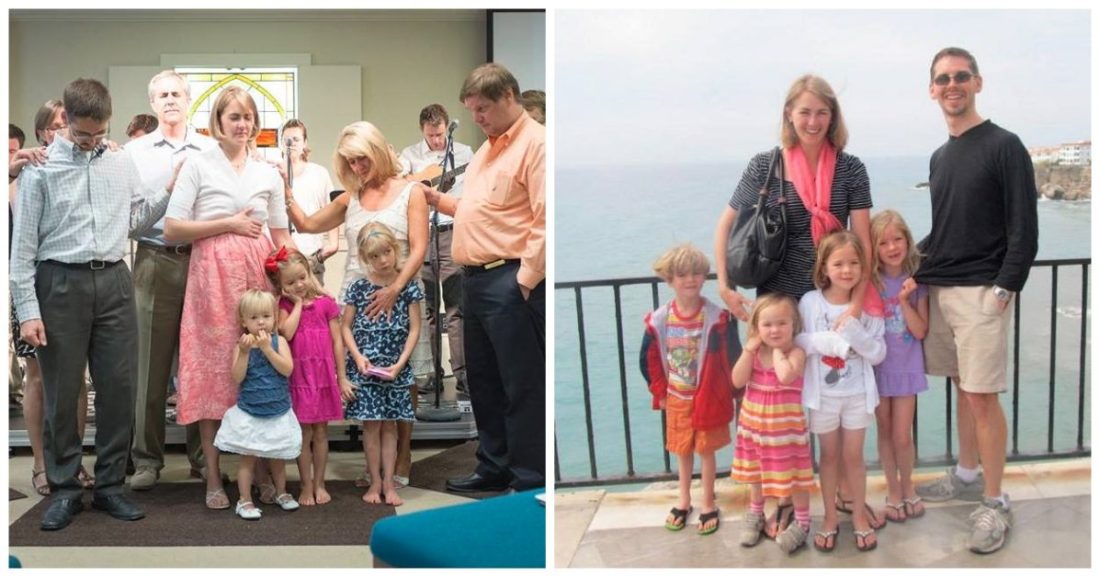
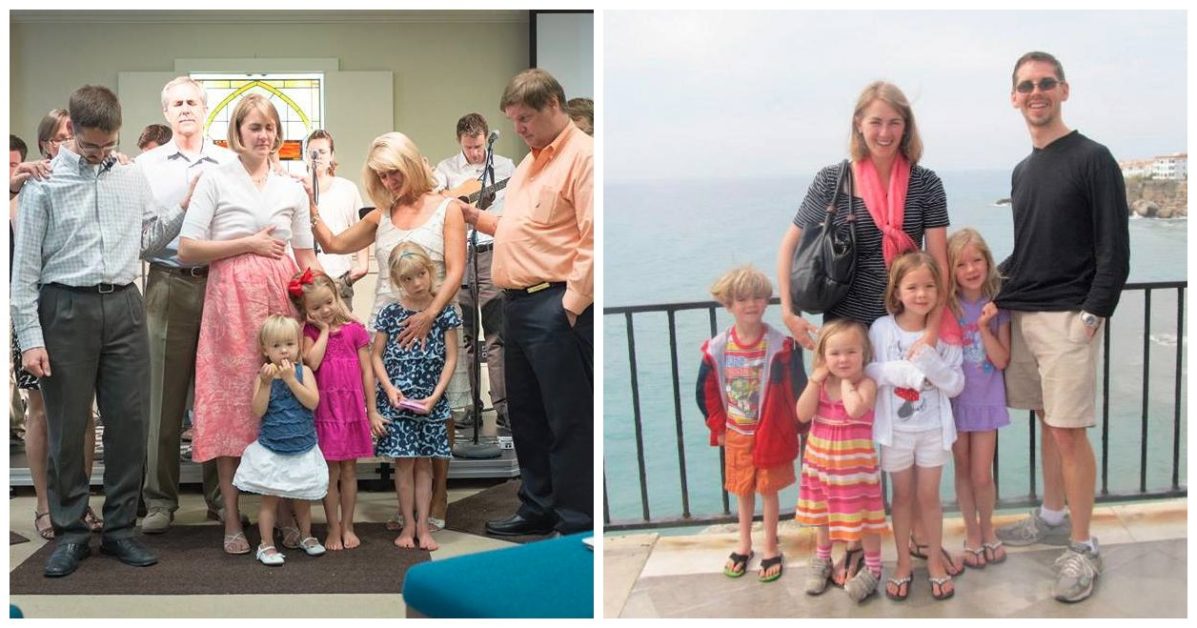
Left: Our family being commissioned by the Offerings Community before coming to Spain. Right: 10 months later in Spain.
Left: Our family being commissioned by the Offerings Community before coming to Spain.
Right: 10 months later in Spain.

In July, I’ll be returning from a sabbatical year to be the lead pastor of the Offerings Community at First UMC in Lexington, KY. I’m sharing some pastoral letters with them in advance of that return. I wanted to share them with you. Though some notes here are specific to that congregation, the letters are a broad attempt to share a pastoral theology.

Three beliefs motivate everything I do in ministry… 

The Gospel

I believe God’s grace is our only hope. I believe God so loved the world that he gave his one and only Son––Jesus Christ, God in the flesh––that whoever believes in him shall not perish but have eternal life.[1. John 3:16] I believe Christ has died, Christ is risen, and Christ will come again. 

I believe in the gospel because it’s “the power of God that brings salvation to everyone who believes.”[1. Romans 1:16] By the grace of God, we’re forgiven for our past sins, given power over present sin, healed from our brokenness, and collectively made into the body of Christ in the world.

I believe all this because I’ve experienced it. God’s grace has transformed my life. Despite my own insecurities, I have a great assurance of God’s love. Despite my own past sins, I have a great assurance of God’s forgiveness. Despite my own doubts, I’ve seen God answer prayers.

I believe all this because I’ve seen it in so many of you. One of the greatest privileges of pastoral ministry is the front-seat I’ve had to the transformation in some of your lives. I’ve seen some of you receive forgiveness and know it was real after you had thought you’d never get past the guilt of something in your past. I’ve seen some of you freed from sins you thought would keep you enslaved the rest of your lives. And I’ve seen some of you become great ministers––hands and feet of Christ to others––when before you could barely keep yourselves together. What a privilege to see the gospel at work in you!

The apostle Paul wrote, “If Christ has not been raised, our preaching is useless and so is your faith.”[1. 1 Corinthians 15:14] I agree with him. If the good news about Christ’s death and resurrection isn’t true, and if the grace God offers through Christ isn’t transforming us, we’re all wasting our time.

The Church

I hear a lot of people today criticize the church. They call it irrelevant and unnecessary. They say they can be “spiritual” without “institutional religion.” They say they can be “Christian” without having to “go to church.” 

First, full disclosure: I’ve seen a lot of ugly things about this institution we call the church. I can’t disagree with a lot of the criticisms I’ve heard. Yet I believe in the church.

I believe in the church because the Bible tells us “Christ loved the church and gave himself up for her.”[1. Ephesians 5:25] I believe in the church because it’s called the body of Christ––“the fullness of him who fills everything in every way.”[1. Ephesians 1:23] How humbling that such a flawed and wayward community would still be the community that Christ loved and gave himself up for, the community that would be called the very body of Christ!

Despite our many problems and all the ways we fall short, I believe God still uses the church. I believe the church is still God’s primary means of offering his grace in the world––the fullness of Christ in the world.

Specifically, I believe in First UMC of Lexington. I love our emphasis on making disciples “across the street and around the world.” I love the way we’re trying to start new worshiping communities in new places so that we can reach new people. I believe in First UMC because I’ve experienced what this church can do. This is my home church, and for over 30 years, they’ve surrounded me with a community of love and forgiveness, supported and encouraged me, and helped me grow into the person I am today. Is First UMC perfect? Far from it! But I believe God loves this church and is using us to proclaim and live the gospel. In our failings, I trust that God is at work to transform us into a church that looks more like her Savior.

Even more specifically, I believe in this Offerings Community. I love our emphasis on spreading scriptural holiness, our focus on making disciples who become pastors and apostles, our desire to start more communities in the future. I believe in this little community because you’ve surrounded me and my family with a community of love and forgiveness. We know God’s love better because of you. Is the Offerings Community perfect? Far from it! But I believe God loves this community and is using it in powerful ways. In our failings, I trust that God is at work to transform us into a community that’s the body of Christ for our world.

You

I believe each of you is an essential member of the body of Christ. I believe God has given each of you special gifts––gifts that we need to minister to each other and to our world. I believe in you.

At a time when so much of ministry is “professionalized”––left to the church staff––I love the way this community values shared ministry. If you’ve been around for long, you’ve already seen the priceless contribution that so many people bring to this community. And I think we’re still only scratching the surface.

I believe great things are ahead for us, and that God will use you to do those things. Some of you have a great gift of faith, and we’ll be sustained by your prayers. Some of you have the gift of evangelism, and we’ll share the gospel with new people because of you. Some of you have a special gift for generosity, and your giving will sustain our budget. Some of you have special gifts for spiritual encouragement, and you’ll be pastors to others. Some of you don’t even realize that you have those gifts yet, but you will.

What’s the hope for our world? The gospel. 

How is our world most likely to see and hear and receive the gospel? Through the church and through you. 

Those beliefs motivate everything about ministry for me.

—————
What I’m reading, brief book reviews, and your questions for an interview

As you well know, I’m a bit of a bibliophile. (Oh––you’ve been looking for the perfect gift for me? Yes, that Amazon gift card is a great idea! My birthday is in November.) A few things in that regard…

1 – On the side-panel of my webpage, I’ve added two new sections: “What I’m Reading” and “What I Just Read.” I love hearing about what others are reading, and several people ask me about this, so I thought I’d use this forum to share. I always keep three books in my reading rotation, so each section will have my latest three.

The “What I Just Read” gives a 50-word review of those books to help you decide if you might be interested in one of them. Feel free to email me with questions about these. Fifty words doesn’t go too far.

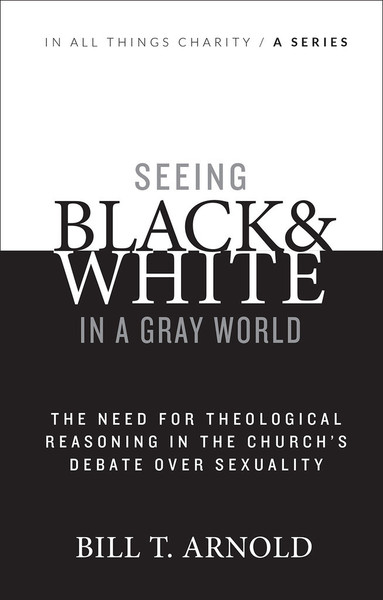
seeing black white2 – I’ll be interviewing Bill Arnold in a couple weeks about his new book, Seeing Black and White in a Gray World: The Need for Theological Reasoning in the Church’s Debate Over Sexuality.

I think this is a timely and important book. Arnold engages throughout with the teaching and writing of Adam Hamilton, the most prominent pastor in the UMC. As far as I know, it’s also the only book-length proposal for the UMC’s stance and practice regarding homosexuality, the most important social issue of our day.

If you have any questions you would ask Dr. Arnold, I’d love to hear them. You can email them to me.


[Note: All book links are Amazon affiliate links. Buy wherever you choose.]

Why we need more shepherds

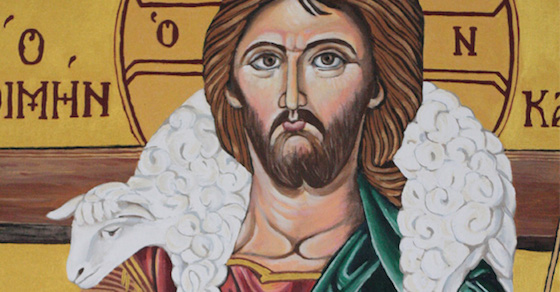
jesus shepherdSeveral weeks ago, Carey Nieuwhof wrote a piece titled “Why we need more entrepreneurial church leaders, not more shepherds.”

Though Nieuwhof presents this as if he’s a minority voice seeking a hearing, I see the same mentality and the same proposed solutions everywhere I look. What does the church need? New ideas! Bigger vision! Charismatic leaders!

If Nieuwhof were really such a minority voice, I wouldn’t bother to write this. But I see his call for dynamic entrepreneurs becoming the norm.

You’d think I would have been amening right along with the piece. I fashion myself a bit of an entrepreneur. I fit Nieuwhof’s standards, at least––I’ve done some experimentation in the church and business world, and if you’ve read this blog long, you know I have a restless discontent with the status quo.

But I think Nieuwhof is wrong. I think he (a) misunderstands the role he characterizes as “shepherd,” (b) misrepresents the church’s past, and (c) misdiagnoses the church’s current problems.

To be clear, I think the church could use more “entrepreneurs” (though I think that’s a terrible term to choose). But I think we could use more shepherds, too. And if forced to choose––though I’d rather not––I think we should be focused on adding more “shepherd” leaders.

What’s a shepherd?

Nieuwhof describes shepherds and apostles this way:

A shepherd cares for a (usually) small group. An apostle launches dozens, hundreds or thousands of new communities of Christ-followers.

The church today is flooded with leaders who fit the shepherd model, caring for people who are already assembled, managing what’s been built and helping to meet people’s needs.

According to this, a shepherd takes care of a few people. (S)he meets their needs, manages what’s been built, preserves status quo.

That’s a tragic under-representation of the pastoral task––a focus on preserving the status quo in a few people’s lives. Is this what Jesus meant by calling himself the good shepherd? Is that all he was after when he said to Peter, “Take care of my sheep” and “Feed my sheep”? Surely not!

Let’s compare the role of a shepherd to that of a parent. The parents’ role is to meet the basic needs of their children––food, shelter, clothing––right? Well, that’s part of the role. But if that’s all you’re doing, you’re not going to win any awards.

Good parents don’t just provide. They cultivate and develop. They help their children grow into full-functioning adults––people who will contribute something good to the world. Though we’re charged with only a few, it may be the most important task of our lives. Good shepherding is the same. It aims to develop a next generation stronger than the last.

If we describe shepherds as managers of the status quo––supplying the basic needs of a few people––we’re describing some low-level shepherds.

Shepherds and apostles in the church’s history

Nieuwhof asks, “[W]ould you ever have heard about Jesus if a rabbi named Saul hadn’t sailed all over the known world telling every Jewish and non-Jewish person he could find about Jesus, planting churches almost everywhere he went?”

First––I think I would have.

I don’t want to discount the incredible apostolic work of Paul. I don’t need to defend his importance to the early Christian movement (see, the Book of Acts). But I don’t think the gospel spread solely, or even primarily, by Paul’s work.

How did it primarily spread? I think Rodney Stark’s researched observation is better: “Mostly, the church spread as ordinary people accepted it and then shared it with their families and friends, and the faith was carried from one community to another in this same way—probably most often by regular travelers such as merchants.”[1. The Triumph of Christianity: How the Jesus Movement Became the World’s Largest Religion (p. 69)] Generally, he observes, “the spread of religious movements is not accomplished by dramatic events and persuasive preachers, but by ordinary followers who convert their equally anonymous friends, relatives, and neighbors.”[1. Ibid., p. 70]

It’s hard to make heroes out of ordinary, anonymous people in history. As a result, we focus on the extraordinary, known people. But that can make us forget that lots of ordinary people have driven a lot of the extraordinary movements of history.

Methodists have done the same. We revere the old circuit riders who transformed the American religious landscape, but Donald Haynes notes that the local elders and class leaders were “the pillars and backbone of local churches.”[1. “Wesleyan Wisdom: GC 2008: Outsource Study on Itineracy,” United Methodist Reporter (April 2008)] The circuit riders helped start new communities in places where there were none, but those communities survived, grew, and strengthened thanks to all those anonymous local shepherds.

Second––I find it interesting that Nieuwhof uses Saul/Paul as his guiding example.

Why should we prioritize “spiritual entrepreneurs”? Because Paul, the greatest Christian leader ever, was an apostle.

What if we asked a different question, though? “Would you ever have heard about Jesus if a rabbi named Jesus hadn’t gathered a small group of disciples, cared for them, fed them, and developed them into the people who would lead the earliest Church?”

The work of rigorously preparing a few preceded the work of sending them out. That leads to the final point.

The church’s current problems

Nieuwhof diagnoses our problem as a lack of innovation. We need more big, bold, risk-taking. We need business leaders who can cast big visions and dream big dreams. That’s what’s missing.

First––really? That’s missing?

Haven’t our churches been crafting “vision statements” since the ’80s? Innovating new structures (multi-site, satellite, online “churches”), new ways to take the gospel to the streets, new worship styles?

Maybe I’m seeing an odd segment, but I see lots of new things being tried. And then the things that work being marketed as the answer to the church’s problems (see, e.g., Willow Creek conferences). And then the innovators of those great new methods lamenting that they had generated big crowds but developed very few mature disciples (see, again, Willow Creek).

Second––what’s really missing?

Why is the church in decline? Is it really because of a lack of new, entrepreneurial energy? Are we losing more people in each generation because we haven’t started something new and exciting?

I think the better answer goes back to what a prominent Christian theologian, leader, and adamant advocate for church planting said to me recently: “What a lot of us are saying in our private discussions is that we don’t need more Christians.”

Why would anyone say that?

My summary of that leader’s position: Essentially, we have a large number of professing Christians, but very few disciples, few leaders, few who see themselves as pastors, or have any expectation of becoming pastors. [I’ve written about this at length in “The Christian Bubble.”]

How has this happened? Over the past 200 years, the church in America has actually done a lot of apostolic work––”entrepreneurial” work, if you must. We have a large number of professing Christians. Our “base” is pretty wide, but it’s also pretty shallow.

Why? We don’t have enough good shepherds, helping believers become disciples and helping disciples become apostles. Nieuwhof says “the church today is flooded with leaders who fit the shepherd model.” I think he’s wrong. Or if they fit the model, they’re not doing the work.

Nieuwhof is looking for his next spiritual entrepreneurs from the business ranks. Where did the early church find its apostles? The disciples became apostles!

Why isn’t he looking for apostles from our discipleship pipelines? Probably because we don’t have many strong discipleship pipelines.

Connecting the dots: why don’t we have more apostles? Because we don’t have enough disciples. Why don’t we have more disciples? Because we don’t have enough good shepherds doing the hard work of discipleship.

Conclusion: More apostles and more shepherds

If you know me, you know I celebrate church planting, apostolic leadership, bold new ideas. Let’s have more apostles!

But frankly, I believe those are addressing secondary concerns. The American church’s primary concern is that we have lots of believers but few disciples. We need to do the hard work of discipleship––caring for small groups of disciples so that they can become the next pastors and apostles in the church.

We need more shepherds! Lots more shepherds! And if I have to choose the leader of my church, I’ll choose a shepherd who will do the hard work of discipleship for a small group of leaders who can be apostles and shepherds in the community.

Entrepreneurial work is big and flashy and exciting. I understand the appeal. All those anonymous shepherds throughout Christian history don’t get much attention or credit. But they’re the pillars and the backbone. Let’s quit assuming we don’t need more of them. We don’t have nearly enough.

———–